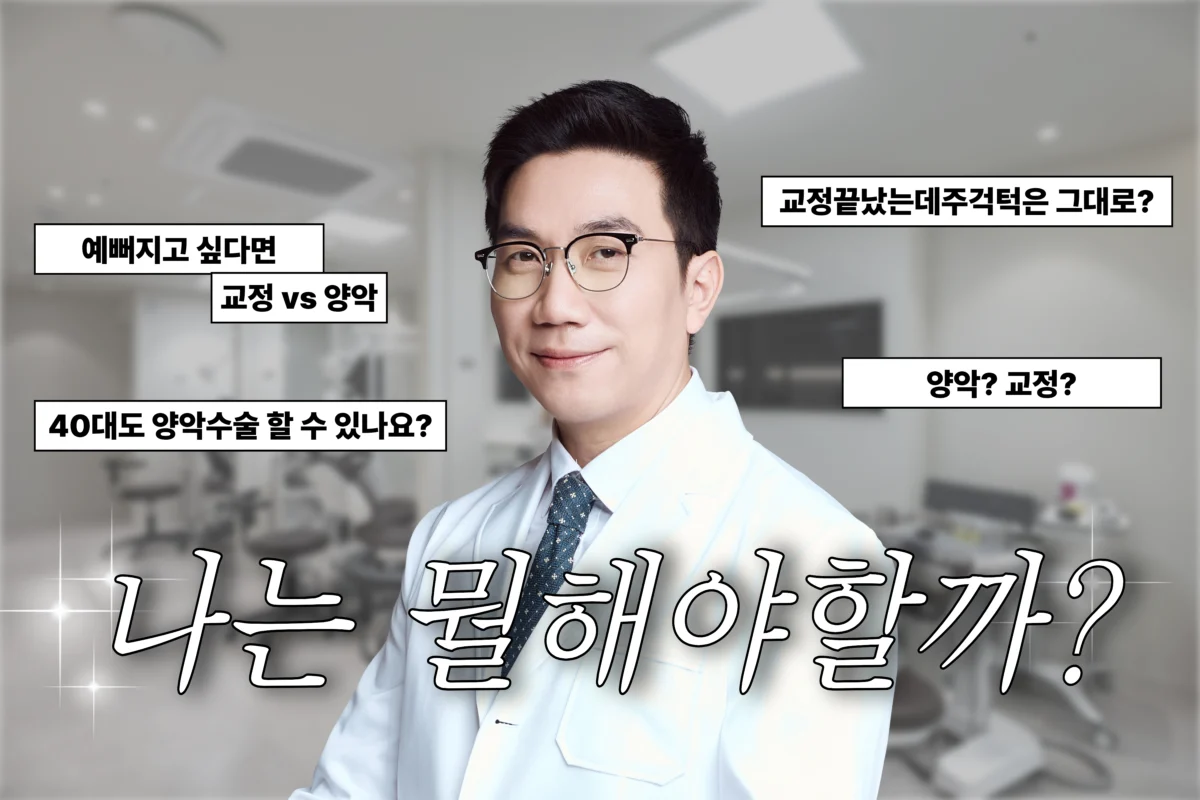
Orthodontics vs. Double Jaw Surgery: Which Treatment is Right for Me?
Orthodontics vs. Double Jaw Surgery: Which Treatment is Right for Me?
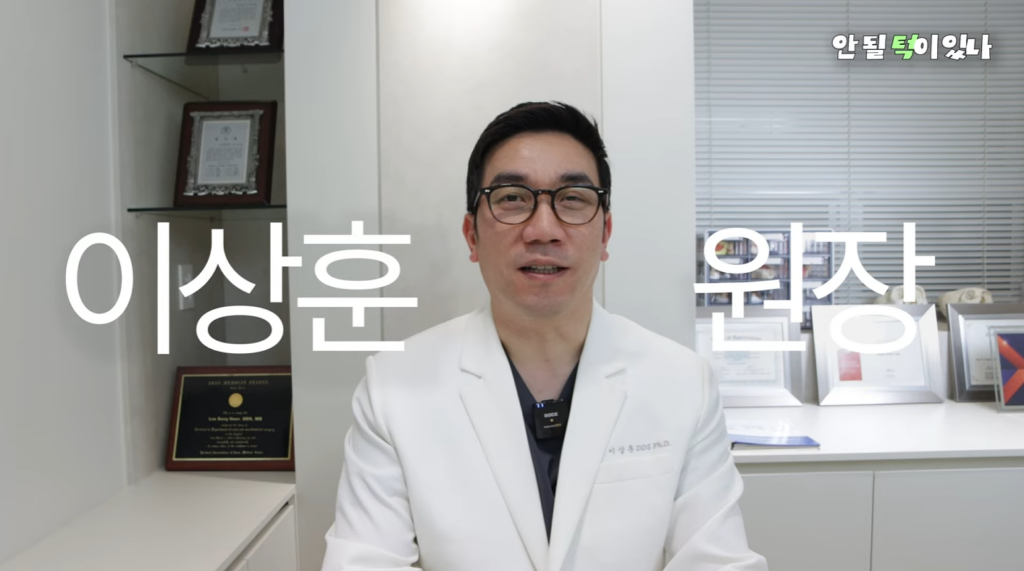

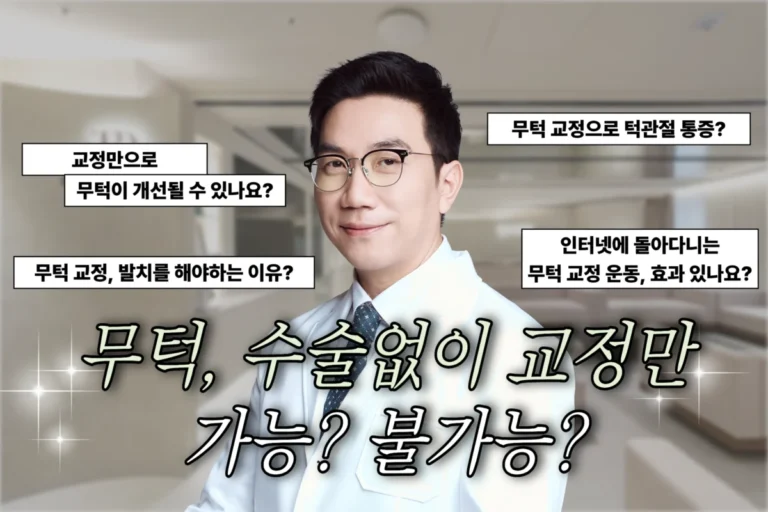
Hello. This is Dr. Sanghoon Lee, a specialist in Oral and Maxillofacial Surgery at The Bare Outline Oral and Maxillofacial Surgery Dental Clinic. “Will my case be resolved with braces alone, or will surgery be necessary?” This is the first challenge faced by those with jaw concerns. While orthodontic technology has advanced recently, increasing the limits of tooth movement, skeletal issues still remain difficult to resolve with orthodontics alone. Based on today's video content, we will clearly organize those standards.
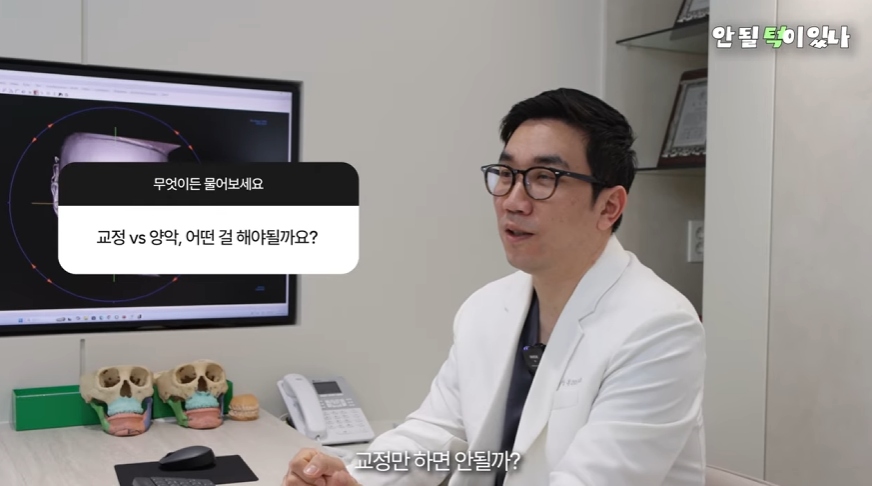
Q.1 Orthodontics vs. Double Jaw Surgery: Which Treatment Do I Need?
Many patients visit the Department of Oral and Maxillofacial Surgery for skeletal problem correction after diagnosis and orthodontic treatment. If the goal is simply to correct the bite, orthodontic treatment alone without surgery may be performed. However, Orthodontic treatment moves teeth and does not fundamentally change the position or size of the jawbone itself. If skeletal prognathism patients undergo orthodontic treatment without surgery, it can result in a compromise treatment where the lower teeth are excessively tilted inwards to achieve occlusion. In this case, while the teeth may fit together, the aesthetic changes will be minimal, or the teeth moving inwards may paradoxically make the jaw appear more prominent. Therefore, If you desire skeletal improvement and fundamental problem-solving, jaw surgery (orthognathic surgery) would be appropriate.
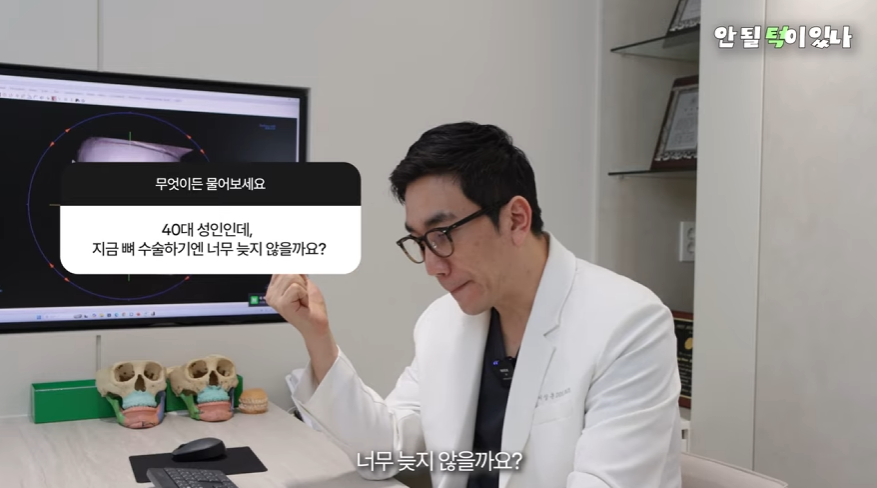
Q.2 I'm an adult over 40. Is it too late for surgery?
Older adults and middle-aged patients sometimes hesitate about whether they are eligible for surgery. To get straight to the point, age itself is not an absolute limiting factor for surgery if there's a clear need for skeletal improvement. For middle-aged individuals, surgery may be performed not only for aesthetic purposes but also for functional improvements, such as sleep apnea caused by severe skeletal malocclusion or a receding chin. However, compared to those in their 20s and 30s, the recovery rate of soft tissues after surgery may be relatively slower. Therefore, it is important to meticulously pre-diagnose whether one's overall health condition can smoothly withstand general anesthesia and the surgical procedure, rather than focusing on age itself.

Q.3 Is orthodontic treatment absolutely necessary before double jaw surgery?
Orthognathic surgery is academically equivalent to ‘orthognathic surgery'.This treatment corrects the relationship between the teeth and jawbone, so orthodontic treatment is usually involved. In the past, a pre-surgical orthodontic period to align the teeth was mandatory. However, with recent advancements in digital simulation technology and surgical techniques, the ‘surgery-first, orthodontics-later’ approach, where the skeletal relationship is corrected first through surgery and then orthodontic treatment proceeds, is also being actively applied. Except for extremely rare cases where the original teeth occlusion is very good and stable alignment is maintained even after surgery, orthodontic treatment is planned in some form for stable results.

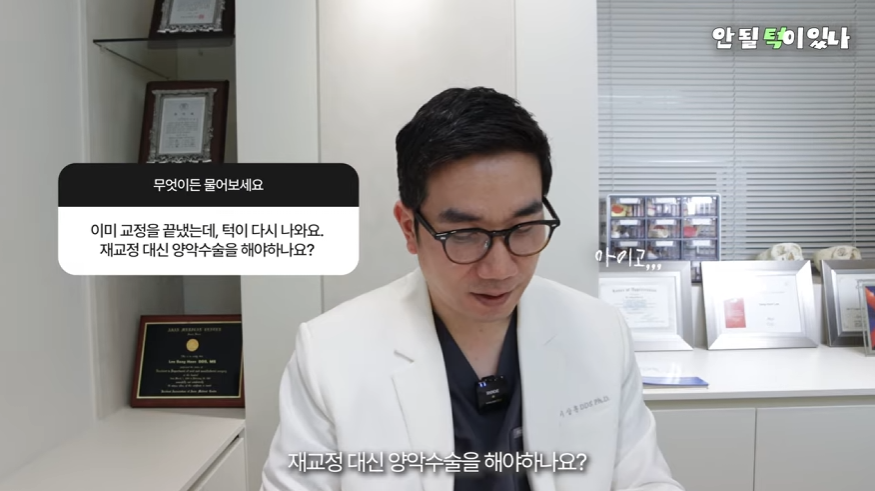
Q.4 If you feel your jaw is protruding again after completing orthodontic treatment, what should you do?
Some individuals experience a relapse where their jaw protrudes or their bite becomes misaligned again over time, even after completing orthodontic treatment in the past. This recurrence can occur if there was still jawbone growth remaining during the orthodontic treatment, or if microscopic shifts in the bone occurred due to an imperfectly stabilized bite. In such cases, it's often necessary to establish a systematic re-treatment plan that combines re-orthodontic treatment with bimaxillary surgery to fundamentally correct the collapsed skeletal structure and dental occlusion.
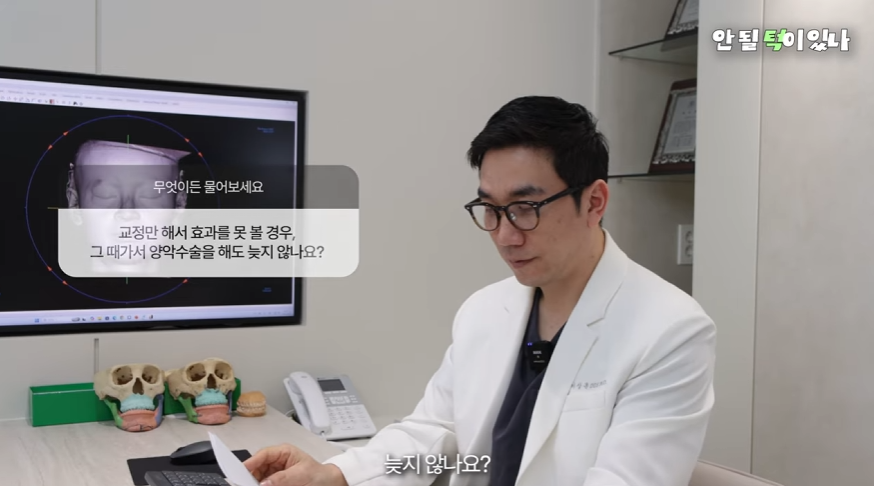
Q.5 If orthodontics are ineffective and surgery is considered later, what are the options?
Due to the burden of surgery, some patients opt for orthodontic treatment only, even in skeletal cases. However, they sometimes do not achieve their desired results and then decide to undergo surgery. In such cases, surgery cannot be performed immediately because the teeth have already been moved inward through compensatory orthodontics. A decompensation process is necessary to move the teeth outward, which were previously pushed inward, to achieve a normal bite during surgery. This can lengthen the treatment period and increase the physical and financial burden on the patient. Therefore, it is advisable to accurately distinguish between skeletal and dental malocclusions using precise equipment such as 3D CT during the initial diagnosis and to choose the correct treatment direction through thorough consultation with a specialist.
Jaw correction surgery is a process that prioritizes the anatomical functional reconstruction, including not only aesthetic changes but also dental occlusion, temporomandibular joint function, and airway space. We recommend establishing a treatment plan suitable for you based on precise diagnosis.
This was Dr. Sanghoon Lee, the head doctor of The BareunGwak Oral and Maxillofacial Surgery Dental Clinic. Thank you.
Healthcare Institution Name: The Right Contour Oral and Maxillofacial Surgery Center
Address: 2nd and 4th floors, 7 Seojeon-ro, Busanjin-gu, Busan Metropolitan City
Medical professional explanation: Chief Director Lee Sang-hoon (Oral and Maxillofacial Surgeon)
※ All surgeries may carry risks of side effects such as bleeding, infection, and nerve damage, depending on the individual's condition.,
Please make your decision carefully after sufficient consultation with a specialist.