

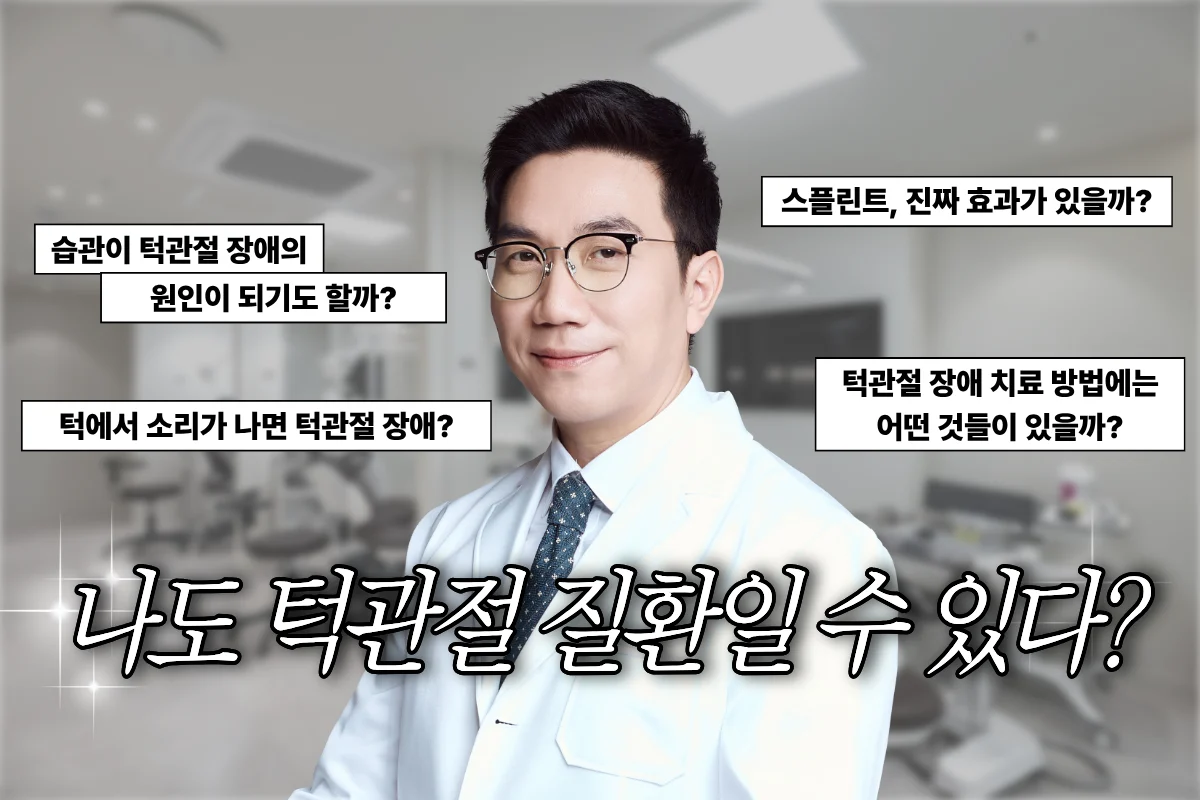
Could I also have a TMJ disorder? Temporomandibular Joint Disorder (TMJ Disorder) A to Z
Could I have a temporomandibular joint disorder too?
Temporomandibular Joint Disorder (TMJD) A to Z
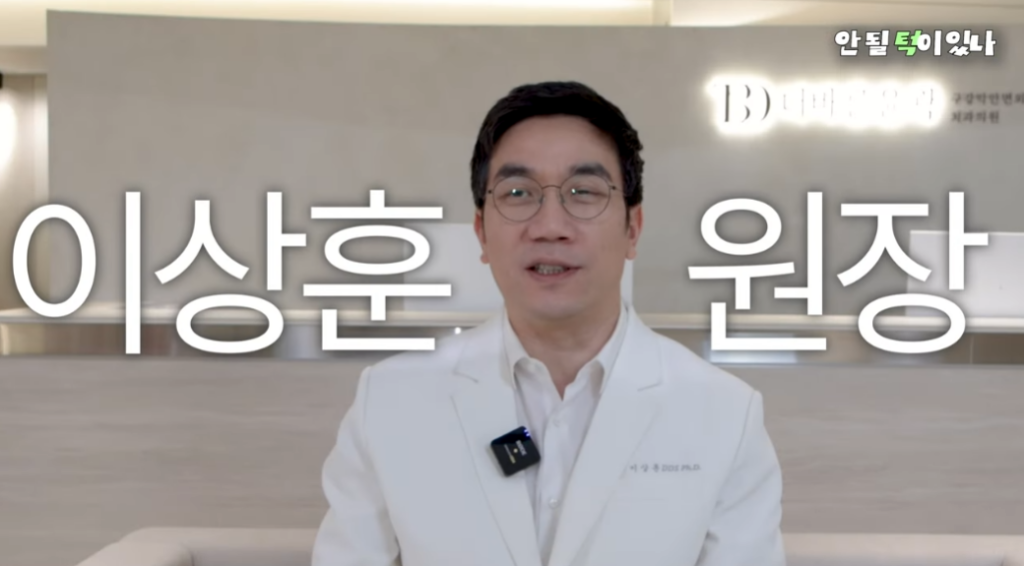

Hello. This is Dr. Sanghoon Lee, a specialist in Oral and Maxillofacial Surgery at The Bare Outline Oral and Maxillofacial Surgery Dental Clinic.
When you suddenly hear a sound or feel pain in your jaw during your daily life, “Could I possibly have temporomandibular joint disorder too?” Many people suffer from unspoken worries. As the temporomandibular joint is a complex and sensitive joint that constantly moves in our face, it is crucial to have accurate information and to address it correctly from the early stages.
In today's blog post from The Bare Contours, we will address the key questions about temporomandibular joint (TMJ) disorders that patients most frequently ask in the clinic, presented in an easy-to-understand Q&A format.

Q.1 Does a popping sound in your jaw indicate TMJ disorder?
Not everyone needs immediate treatment just because their jaw makes a sound.
- Cases where you can watch: If it's an early stage with only occasional ‘clicking’ sounds and no pain or difficulty opening your mouth, it's okay to carefully observe and manage it without starting aggressive treatment.
- When treatment is absolutely necessary: With sound Pain is presentstarted to happen, or it's not just a clicking sound, but a grinding sound like sand ‘The sound of crunchingIf it does, the condition may be quite advanced, so you should see an oral and maxillofacial surgeon for a precise diagnosis.
Q.2 What are the treatment methods for temporomandibular joint (TMJ) disorders?
The temporomandibular joint is like any other joint in our body, so rather than considering drastic surgery from the start, it's better to opt for less physically demanding treatments. Prioritize non-operative (non-surgical) conservative treatment.It is the standard way to do it.
- Treatment Process: First, it is the first step for the patient to hear and understand why the cause arose. After that Medical treatment, correction of bad habits, physical therapyPerform that first. If there is still no improvement, Temporomandibular joint apparatus (splint) treatmentThis is considered, and surgery is a last resort to be considered when all non-surgical methods are ineffective.
Q.3 Can habits also cause temporomandibular joint disorders?
Yes, everyday habits that you do unconsciously can have a critical impact on your temporomandibular joint, so it's very important to pay attention to your usual lifestyle patterns.
- Sleep bruxism It can cause joint and tooth disorders by unintentionally transferring immense force directly to the joints and teeth during sleep. If you grind your teeth severely, you should consider preventive devices.
- Chewing on only one side of your mouth habit: You are consistently applying excessive force to a specific joint. If this continues long-term, it can cause significant problems with joint balance, so it is recommended that you consciously chew evenly with both sides.
Q.4 Do splints really work?
Splint therapy is clinically important in the treatment of temporomandibular joint disorders A device with considerable and certain effectivenessis the value.
- Device operating principle: Our jaws are guided to move only to a position where the teeth are forced to interlock. However, wearing a splint can guide the jaw to ‘the position where the joint feels most comfortable.".
- Joint protection role applied to the joints Buffer immense pressure in the middleThis prevents ligaments or disks inside from being deformed or damaged by pressure. Even if the effect is not immediate, you can achieve good results with long-term, consistent use.
Q.5 What factors should be considered when choosing a hospital for TMJ treatment?
Temporomandibular joint disorders encompass teeth occlusion, facial bone structure, and the soft tissues surrounding the joint. ‘The quality of analysis is key.Based on my 14 years of clinical experience, I have been meticulously analyzing each patient’s subtle skeletal structure and habits and developing treatment plans tailored to their individual needs. The key to ensuring patient satisfaction lies in verifying how thoroughly the medical team considers each patient’s case and how closely they are personally involved in the entire process to ensure a precise diagnosis.
Since temporomandibular joint (TMJ) disorders are the first step in lifelong jaw health, the expertise of an oral and maxillofacial surgeon, who specializes in facial bones and oral structures, is paramount.
If you are currently experiencing discomfort due to clicking in your jaw, pain, or difficulty opening your mouth, please feel free to visit us at any time for a consultation. We will precisely and thoroughly analyze your condition and help you find the safest and most appropriate path to treatment together.
This was Dr. Sanghoon Lee, the head doctor of The BareunGwak Oral and Maxillofacial Surgery Dental Clinic. Thank you.
Healthcare Institution Name: The Right Contour Oral and Maxillofacial Surgery Center Address: 2nd & 4th Floor, 7 Seojeon-ro, Busanjin-gu, Busan (Near Seomyeon Station) Medical professional explanation: Chief Director Lee Sang-hoon (Oral and Maxillofacial Surgeon)
※ All treatments may cause side effects depending on the individual's condition, so please make a careful decision after sufficient consultation with a specialist.